Testing Commercial Check Valves During Annual Backflow Prevention Upkeep
Call the Plumbing Doctor Inc. • October 20, 2026
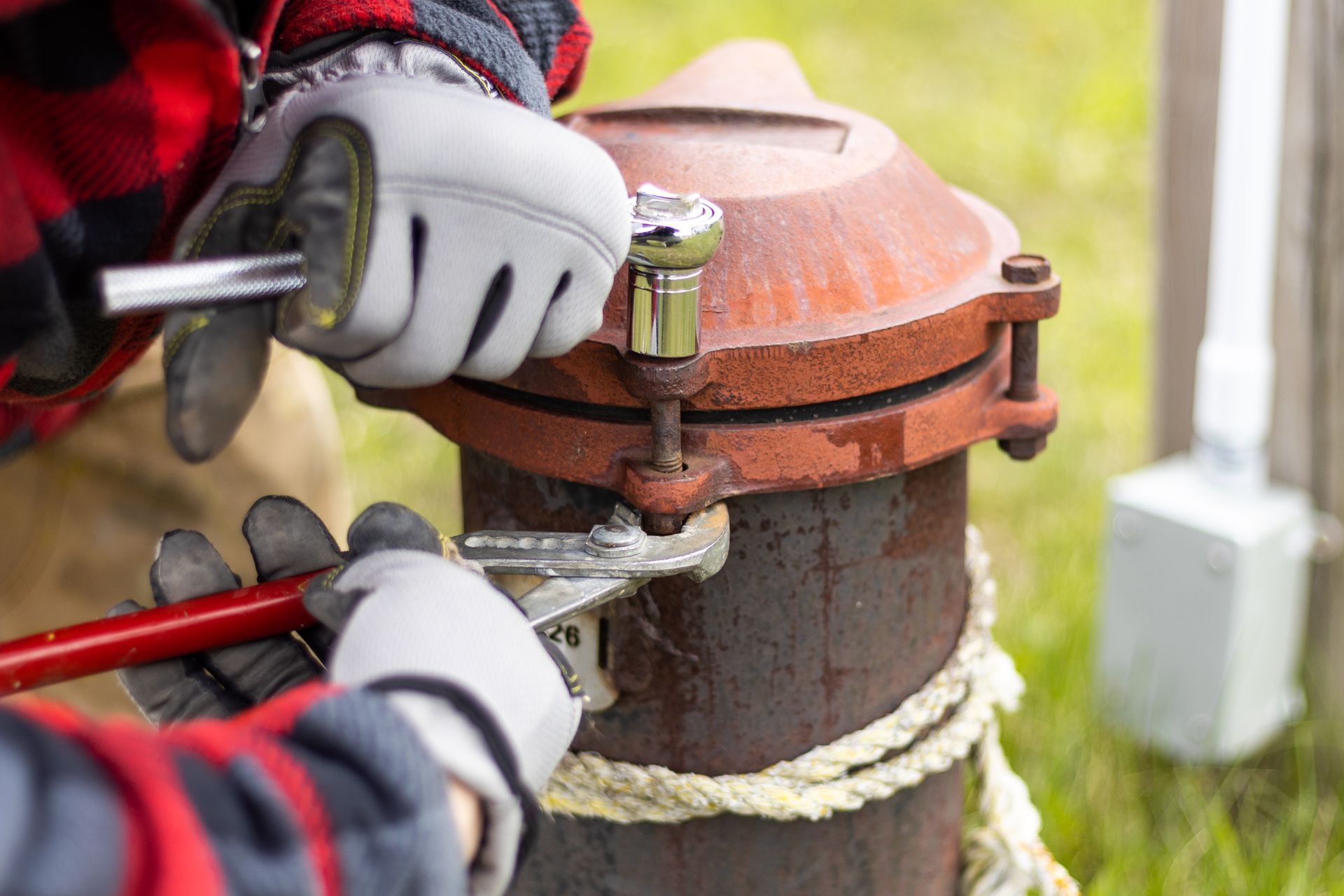
Keeping a commercial plumbing system safe requires strict attention to the devices that protect the public water supply. Property managers in Uxbridge trust Call the Plumbing Doctor Inc. to perform mandatory annual testing on their backflow prevention assemblies. When contaminated industrial water flows backwards into the clean municipal lines, the health risks are catastrophic. Proper maintenance of these heavy-duty check valves is a legal requirement that protects your business from massive liability.
Ignoring routine testing allows internal rubber seals to degrade and internal springs to rust. We have put together a practical maintenance guide to help you manage your commercial backflow devices effectively. Following these specific steps ensures your building passes local municipal inspections and keeps your drinking water perfectly safe.
Maintenance Steps for Check Valves
- Immediate Aftercare Following an Annual Test
- Ongoing Habits for Commercial Water Safety
- Common Mistakes That Ruin Prevention Devices
- What causes backflow in a commercial plumbing system?
- Protecting Your Public Utilities
Immediate Aftercare Following an Annual Test
Once your certified technician completes the pressure testing and signs the municipal paperwork, you must ensure the area around the valve remains secure.
- Check for Drips: Monitor the relief port on the bottom of the device for a few days to ensure the internal seals seated correctly after the test.
- Secure the Tags: Leave the official inspection tags firmly attached to the brass valve body so city inspectors can verify compliance at a glance.
- File the Reports: Store your copy of the passing test report in your maintenance logbook to prove your facility meets all current environmental safety codes.
Ongoing Habits for Commercial Water Safety
Consistent monitoring prevents minor mechanical wear from turning into a total valve failure. Integrating visual checks into your weekly facility walk-through pays off immensely.
- Inspect the Floor Drain: Ensure the floor drain sitting directly beneath the backflow preventer is completely clear of dust and debris so discharged water can exit safely.
- Watch for Pressure Drops: Pay attention to sudden losses of water pressure in the building, which can indicate that a check valve is sticking in the closed position.
- Protect from Freezing: Keep the mechanical room well heated during the winter, as freezing ambient air will shatter the brass housing of the prevention device.
This reliable support is something clients notice firsthand when managing complex commercial properties.
►Client Experience: Sarah Pascoal shared "I highly recommend The Plumbing Doctor! I've relied on their services multiple times for both my restaurant and rental property... Their team is always punctual, professional, and kind, with fair and transparent pricing."
Providing clear explanations and dependable commercial service is why Sarah Pascoal trusts us with her restaurant infrastructure.
Common Mistakes That Ruin Prevention Devices
Facility staff often accidentally compromise their own safety systems by misusing the mechanical rooms. Knowing what to avoid is critical for passing your yearly municipal tests.
- Blocking Access: Never stack heavy boxes or cleaning supplies around the valve assembly, as technicians require significant clearance to attach their testing gauges.
- Ignoring Relief Discharge: Failing to call a plumber when the valve constantly spits water means the device is broken and actively trying to vent back-pressure.
- Using Harsh Chemicals: Do not spray industrial degreasers or acidic cleaners on the brass valve body, as these chemicals eat away at the test port threads.
► The single most important maintenance fact is that a constant puddle of water under a reduced pressure zone assembly means the internal check valves have failed and require an immediate rebuild.
What causes backflow in a commercial plumbing system?
Backflow occurs when there is a sudden drop in pressure on the clean municipal side of the system, creating a vacuum that sucks dirty water backwards. This drop can happen if a city water main breaks or if a fire truck opens a hydrant down the street. Back-pressure also causes reverse flow when a commercial boiler or industrial pump pushes wastewater at a higher pressure than the incoming city supply.
Protecting Your Public Utilities
Taking an active role in maintaining your prevention devices guarantees your business operates safely and legally. By monitoring the relief ports and keeping the area clear, you protect the public drinking supply from toxic cross-contamination. Call our certified testing team today to schedule your annual inspection and keep your commercial property compliant.
Share This Blog