5 Hidden Signs Hard Scale Ruins Plumbing and Why Water Softeners Help
Call the Plumbing Doctor Inc. • September 22, 2026
Living in Whitby means dealing with mineral heavy municipal water that quietly wreaks havoc on your residential infrastructure. Calcium and magnesium ions flow through your pipes every day, leaving behind a destructive crust known as hard scale. Call the Plumbing Doctor Inc. routinely replaces clogged fixtures and broken appliances ruined by this invisible threat. Recognizing the symptoms of scale buildup helps you understand why professional water softeners installation is the ultimate defense for your home.
Hard water forces your heating elements to work harder, clogs your showerheads, and leaves your laundry feeling stiff and dull. Many homeowners blame these issues on cheap soap or faulty appliances, completely missing the root cause of the problem. We want to highlight the undeniable symptoms of hard water damage in your home. Reviewing these five tips will help you protect your plumbing from premature replacement.
In This Article:
- Tip 1: Look for Chalky Residue on Faucets
- Tip 2: Notice Dropping Shower Pressure
- Tip 3: Inspect Your Glassware for Cloudiness
- Tip 4: Check Your Appliances for Premature Rust
- Tip 5: Listen for Popping Sounds in the Water Heater
- Frequently Asked Questions
Tip 1: Look for Chalky Residue on Faucets
The most obvious visual indicator of hard water is the stubborn white crust that forms around your kitchen and bathroom fixtures. This residue is incredibly difficult to scrub away with standard household cleaners.
- Inspect the Base: Look closely where the faucet meets the countertop to spot thick, hardened calcium rings.
- Check the Aerator: Unscrew the small mesh aerator at the tip of your faucet to see if it is completely plugged with tiny gravel-like mineral deposits.
- Examine the Finish: Notice if the shiny chrome or brushed nickel finish on your hardware looks permanently dull and etched from constant mineral exposure.
Tip 2: Notice Dropping Shower Pressure
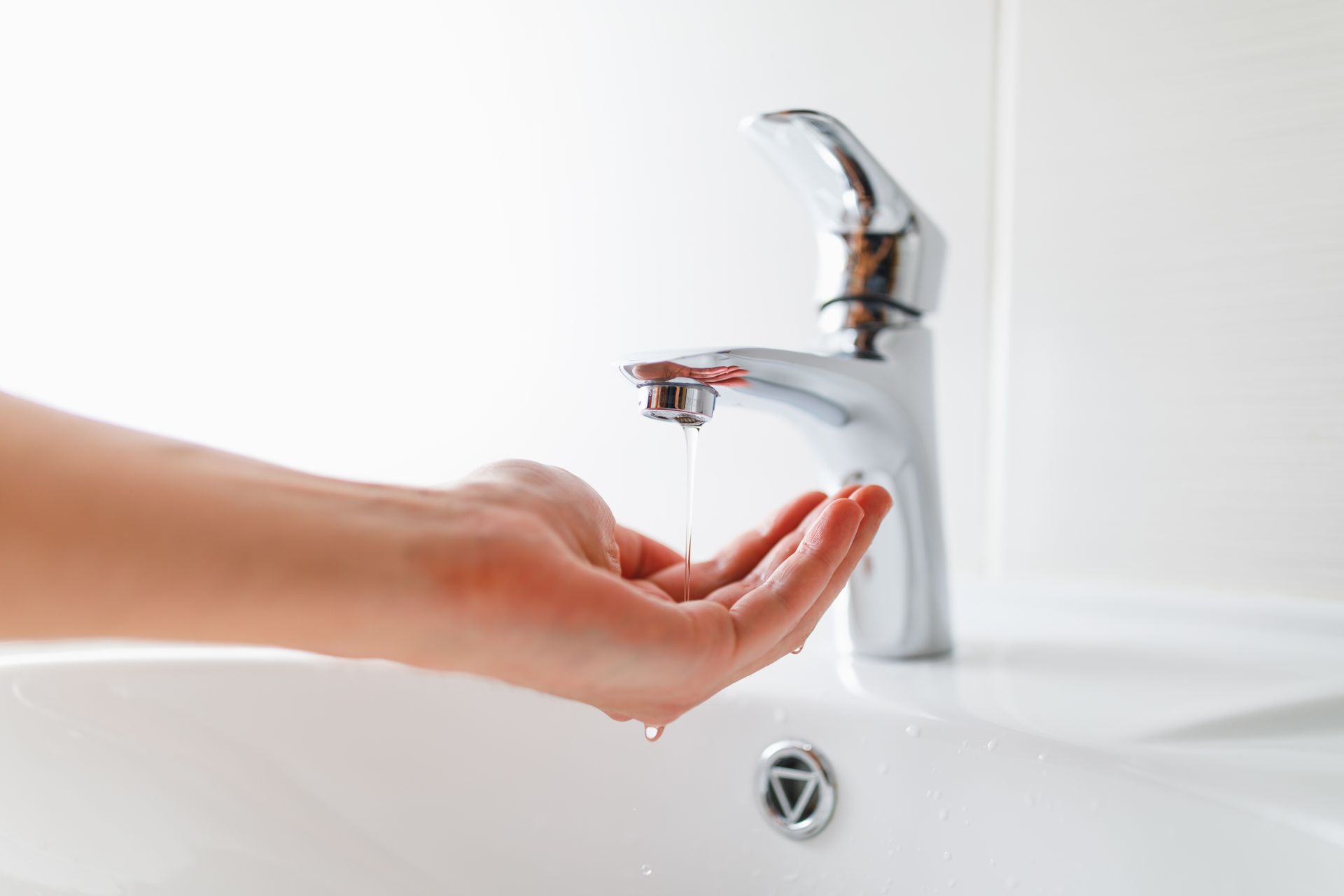
If your morning shower feels more like a weak drizzle than a strong spray, hard scale is likely clogging the internal water pathways. Minerals solidify inside the tiny rubber nozzles of your showerhead, blocking the water from escaping.
- Monitor the Flow: Pay attention to whether the water sprays in straight lines or shoots off at wild, unpredictable angles due to partial blockages.
- Feel the Weight: Remove the showerhead and feel its weight, as a unit packed tight with solid calcium feels surprisingly heavy.
- Check Other Taps: Verify if the low pressure is isolated to one fixture or if it affects the entire bathroom, indicating scale buildup inside the wall pipes.
Tip 3: Inspect Your Glassware for Cloudiness
Washing dishes in hard water leaves behind a cloudy, milky film on your clean glasses and silverware. The high mineral content reacts negatively with your dish soap, creating a sticky residue instead of a cleaning lather.
- Hold Glasses to the Light: Look through your clear drinking glasses to spot a hazy white film that does not wipe away with a dry towel.
- Check for Water Spots: Notice if your stainless steel cutlery dries with distinct, chalky water droplets covering the surface.
- Feel the Texture: Run your finger over a freshly washed plate to see if it feels squeaky and gritty rather than smooth and clean.
Tip 4: Check Your Appliances for Premature Rust
Your washing machine and dishwasher are highly vulnerable to mineral damage. The constant influx of hard water scales up the internal pumps and causes the metal drums to rust long before their expected lifespan.
- Inspect the Washer Drum: Look for orange rust stains or a white powdery coating inside the drum of your clothes washer.
- Check the Dishwasher Tub: Pull out the bottom rack of your dishwasher to see if the heating coil is caked in a thick layer of white crust.
- Monitor Appliance Leaks: Pay attention to small puddles under your machines, as hard scale destroys the rubber seals and causes premature leaking.
Tip 5: Listen for Popping Sounds in the Water Heater
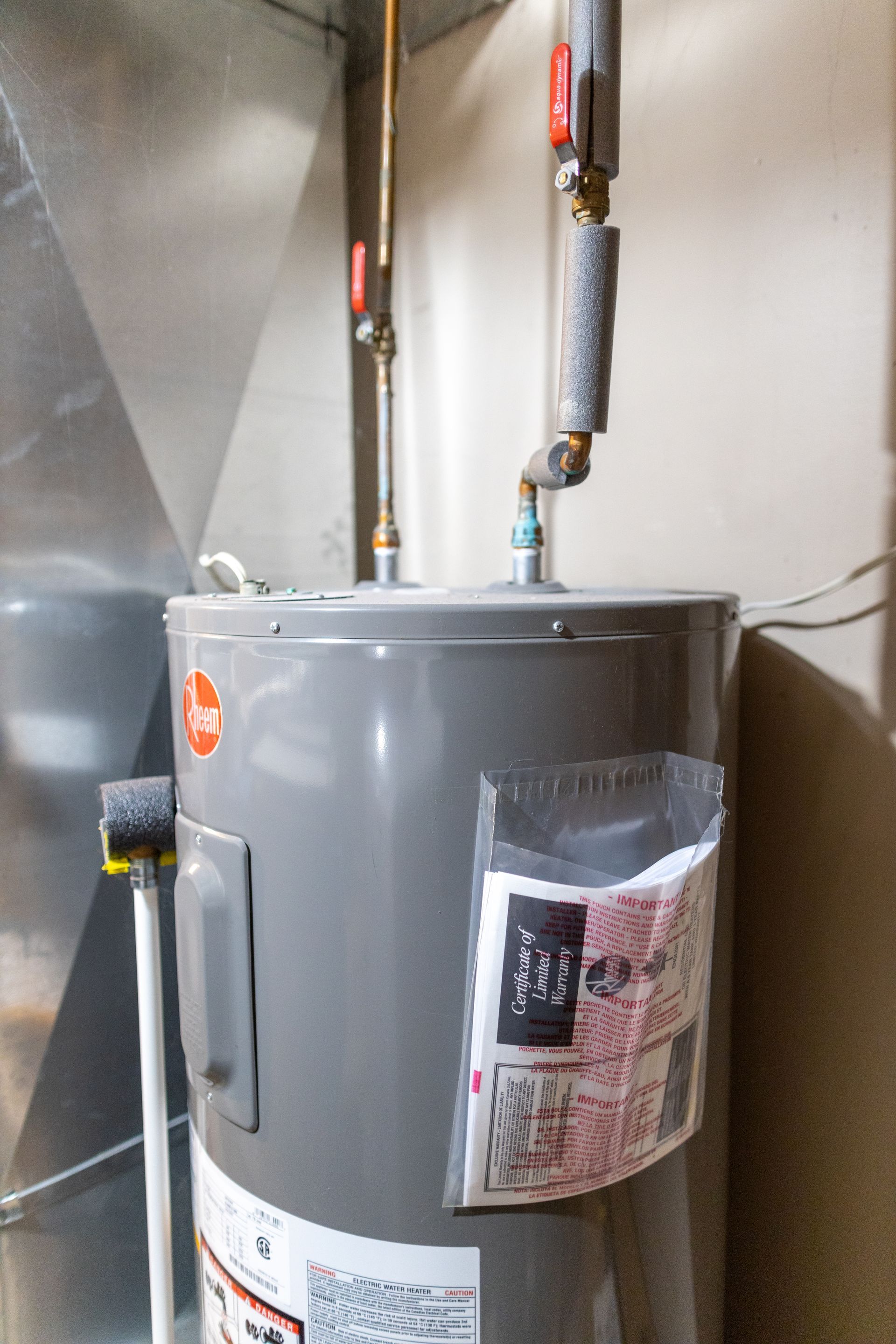
Hard water does the most expensive damage inside your hot water tank. When the water is heated, the minerals fall out of suspension and settle as a thick layer of rock at the bottom of the unit.
- Listen for Rumbling: Stand next to your tank while it is heating and listen for a loud popping or rumbling noise, which is the sound of steam bubbles exploding through the sediment.
- Check Hot Water Duration: Notice if your hot showers are getting shorter, as a tank filled with solid scale holds significantly less water.
- Monitor Utility Bills: Watch for rising electricity or gas bills, because the burner has to heat the thick layer of rock before it can actually heat the water.
Frequently Asked Questions
Can hard water permanently damage a dishwasher?
Yes, hard water permanently damages a dishwasher by depositing scale directly onto the internal heating element and the delicate spray arm mechanisms. Over time, the scale calcifies the water pump, reducing its ability to drain the tub properly. The abrasive minerals also degrade the rubber door gaskets, leading to costly kitchen floor leaks.
How long do residential water softening systems last?
A high quality water softening system typically lasts between ten and fifteen years when properly maintained. Regular maintenance involves adding the correct type of softening salt to the brine tank and occasionally cleaning the resin bed to remove iron buildup. Having a professional inspect the control valve every few years ensures the regeneration cycle continues to work efficiently.
Does a water conditioner improve skin and hair health?
A water conditioner drastically improves skin and hair health by removing the harsh minerals that strip away your natural moisture. Bathing in hard water leaves a microscopic layer of soap scum on your skin, causing severe dryness, itching, and irritation. Softened water allows your soap to rinse away completely, leaving your skin feeling smooth and your hair looking shiny.
Securing Better Water Quality
Protecting your plumbing from the silent destruction of mineral scale requires upgrading your incoming water supply. By noticing the chalky residue and listening to your appliances, you can stop the damage before it requires a full home repipe. Contact our installation team today to test your water hardness and fit your home with a premium softening system.
Share This Blog