Diagnosing Burned Out Well Pumps Caused by Dropping Durham Water Tables
Call the Plumbing Doctor Inc. • September 16, 2026
Relying on groundwater for your daily needs means your household is closely tied to the natural environment around your property. When the underground water table begins to drop in Port Perry, your pumping equipment is forced to work under extreme stress. Call the Plumbing Doctor Inc. frequently helps rural property owners who suddenly lose all water pressure due to overworked mechanical systems. Recognizing the symptoms of a dropping water table allows you to secure proper well pumps repair before the motor completely burns out.
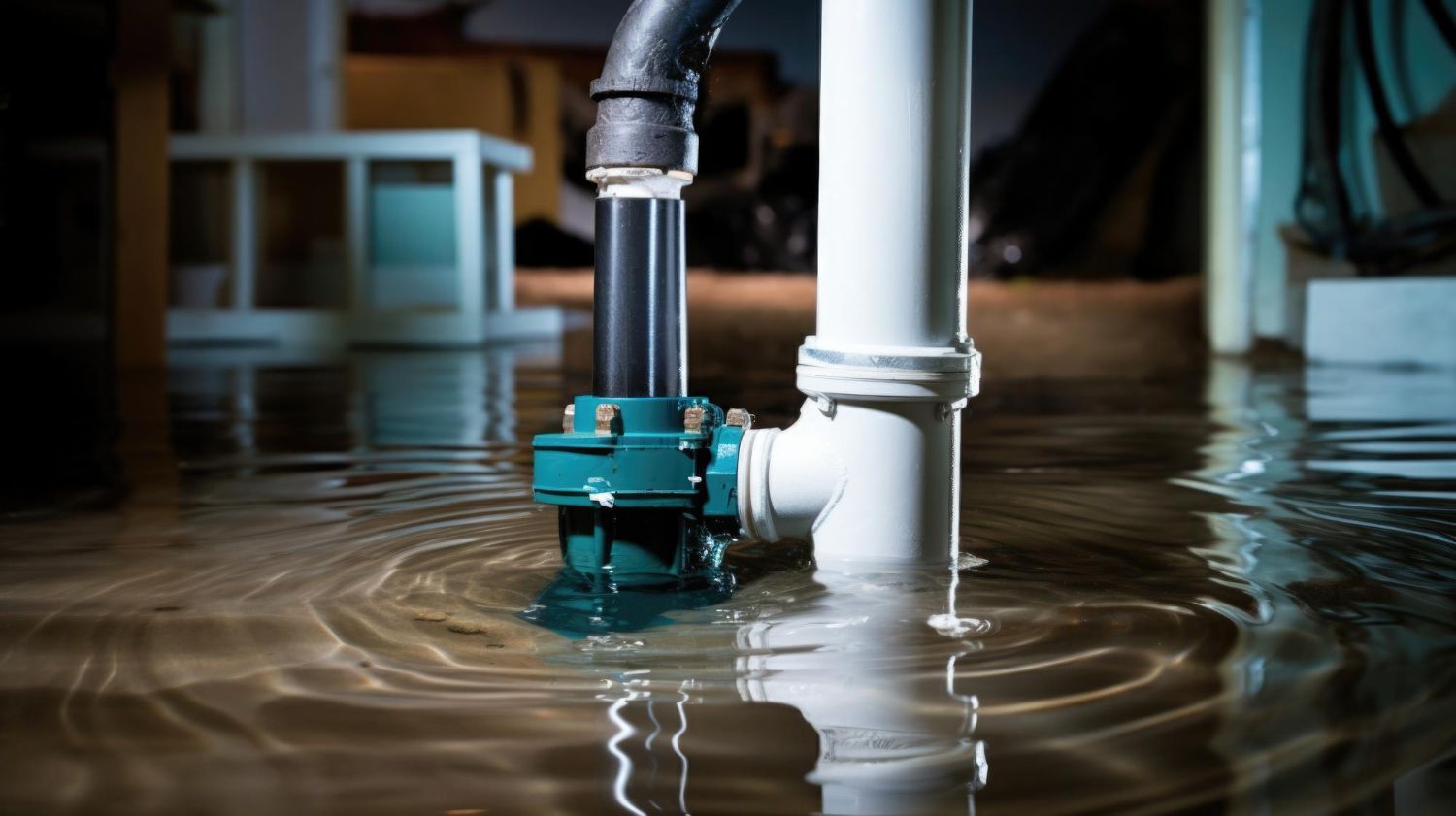
Submersible pumps are designed to push water upward while remaining fully submerged in a cool, liquid environment. If the groundwater level falls below the intake valve, the motor begins pulling in air and abrasive sediment. This dry running creates immense friction, stripping away the internal cooling mechanism and melting the wiring. We want to outline exactly how to identify these issues and why professional intervention is mandatory for a lasting fix.
What We Cover:
- Identifying Low Water Table Symptoms
- Why DIY Pump Extraction Makes the Problem Worse
- Upgrading to Deep Well Submersible Technology
- What causes a well pump to burn out prematurely?
Identifying Low Water Table Symptoms
A dropping water table rarely announces itself with a sudden, total loss of water. Instead, the signs are gradual and easily confused with minor plumbing quirks inside the house. Paying attention to how your faucets behave is the first step in diagnosing a stressed groundwater system.
→ From a professional standpoint: If your tap water suddenly becomes cloudy or filled with fine sand, your pump is sitting too close to the muddy bottom of a depleting well casing.
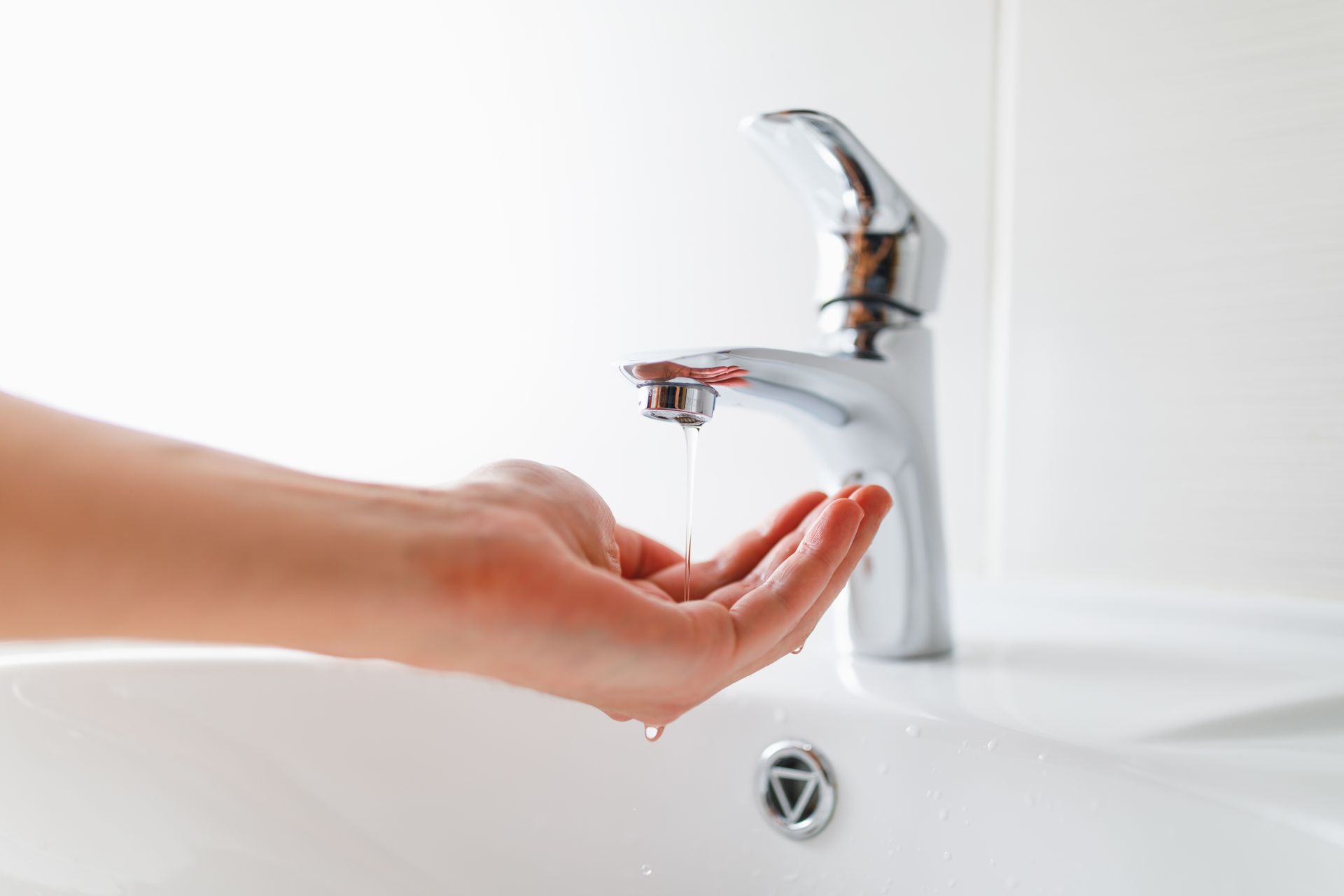
Another common symptom is a sputtering faucet that spits bursts of air along with the water. When the water level dips below the pump intake, the machine sucks air into the pressurized plumbing lines. You might also notice your electricity bills creeping higher as the motor runs constantly, struggling to build adequate pressure inside your holding tank.
Why DIY Pump Extraction Makes the Problem Worse
When rural homeowners lose water pressure, the temptation to pull the pump out of the casing to inspect it is very strong. Extracting a submersible unit involves hauling hundreds of feet of heavy, water filled piping and electrical wire straight up out of the ground. Without the proper mechanical winches, you risk dropping the entire assembly back down the shaft.
→ A quick tip to remember: Dropping a broken pump down a deep well casing usually means you have to abandon the hole completely and pay to drill a brand new well.
Furthermore, working on groundwater systems in Ontario is heavily regulated to protect the public drinking supply. Opening a sealed cap without the proper sanitation protocols introduces harmful surface bacteria and runoff directly into the aquifer. A licensed contractor possesses the necessary equipment to safely extract the machinery without contaminating the source.
This level of professional accountability is something clients notice firsthand when they need reliable repairs.
►Client Experience: Rob Angiers shared “Great service, arrived quickly and completed the job with speed and quality.”
Delivering speedy and high quality solutions ensures our rural customers are never left stranded without running water.
Upgrading to Deep Well Submersible Technology
When a water table drops permanently, simply replacing a burned out motor will not solve the underlying issue. The new equipment must be sized correctly to handle the increased lift distance from the lower water level to your house. Modern submersible units are engineered with advanced cooling jackets and thermal overload protection to survive harsher environments.
→ From a professional standpoint: Installing a pump with built in dry run protection automatically shuts the motor off if the water level drops too low, saving the new equipment from thermal destruction.
Your technician might also recommend lowering the pump deeper into the existing casing if there is enough clearance available. This simple adjustment keeps the intake submerged during seasonal droughts. Pairing the new motor with an upgraded pressure tank reduces the frequency of the operating cycles, which greatly extends the life of the machine.
What causes a well pump to burn out prematurely?
A well pump burns out prematurely when it is forced to operate outside of its designed parameters. The most common cause is short cycling, which happens when a waterlogged pressure tank forces the pump to turn on and off rapidly every time you open a faucet. Running dry due to a dropping water table also destroys the motor, as the surrounding water is required to keep the internal electrical windings cool. Finally, pulling in abrasive sand or heavy silt grinds down the delicate plastic impellers, causing the motor to overwork and eventually seize up.
Restoring Your Rural Water Supply
Dealing with a depleted water table requires expert diagnostics and heavy duty equipment to restore your daily routine. By identifying the signs of a dry running motor and trusting a licensed contractor, you protect your drinking source from contamination. Contact our specialized well team today to evaluate your groundwater system and replace your failing equipment.
Share This Blog