Swap Failing Anode Rods Now to Save Hot Water Tanks From Winter Failure
Call the Plumbing Doctor Inc. • September 8, 2026
Dropping temperatures put immense stress on your residential heating equipment as the incoming municipal water supply becomes significantly colder. When an aging unit is forced to work twice as hard to reach a comfortable temperature, vulnerable internal components are pushed to their breaking point. Call the Plumbing Doctor Inc. responds to countless emergencies in Oshawa when neglected hot water tanks replacement becomes the only option due to sudden structural ruptures. Taking action to inspect and swap out failing sacrificial anode rods now will save your tank from premature winter failure.
The anode rod is designed to attract corrosive elements in the water, sacrificing itself so the steel walls of your tank do not rust. Once this rod is completely depleted, the corrosive minerals immediately attack the tank lining, leading to a catastrophic bottom leak. We have developed a clear action plan to help you secure your heating equipment before the frost sets in. Following these sequential stages protects your property from water damage and keeps your hot showers running all season.
Action Plan Stages:
- Stage 1: Assess Your Heating Equipment
- Stage 2: Schedule Anode Rod Inspections
- Stage 3: Protect Your Tank From Sudden Freezes
- Frequently Asked Questions
Stage 1: Assess Your Heating Equipment
Before the cold weather officially arrives, you must evaluate the current performance and physical condition of your water heater. Spotting early signs of internal rust gives you a vital head start on preventative maintenance.
- Visual Rust Checks: Look closely at the bottom of the metal tank and around the water supply fittings for any orange streaks or crusty mineral deposits.
- Temperature Consistency: Pay attention to your morning shower to see if the water turns lukewarm much faster than it did a few months ago.
- Listen for Popping: Stand next to the tank while it is actively heating and listen for loud popping noises, which indicates heavy sediment buildup trapping the heat.
- Check the Age Label: Read the manufacturer sticker on the side of the unit to determine if the equipment is approaching the end of its ten to twelve year lifespan.
Stage 2: Schedule Anode Rod Inspections
Once you complete your visual checks, you must secure a spot on a professional service calendar. Technicians book up very quickly the moment the local weather forecast predicts the first major cold front.
- Book a System Flush: Have a professional plumber flush the entire tank to remove the corrosive sediment resting against the bottom heating element.
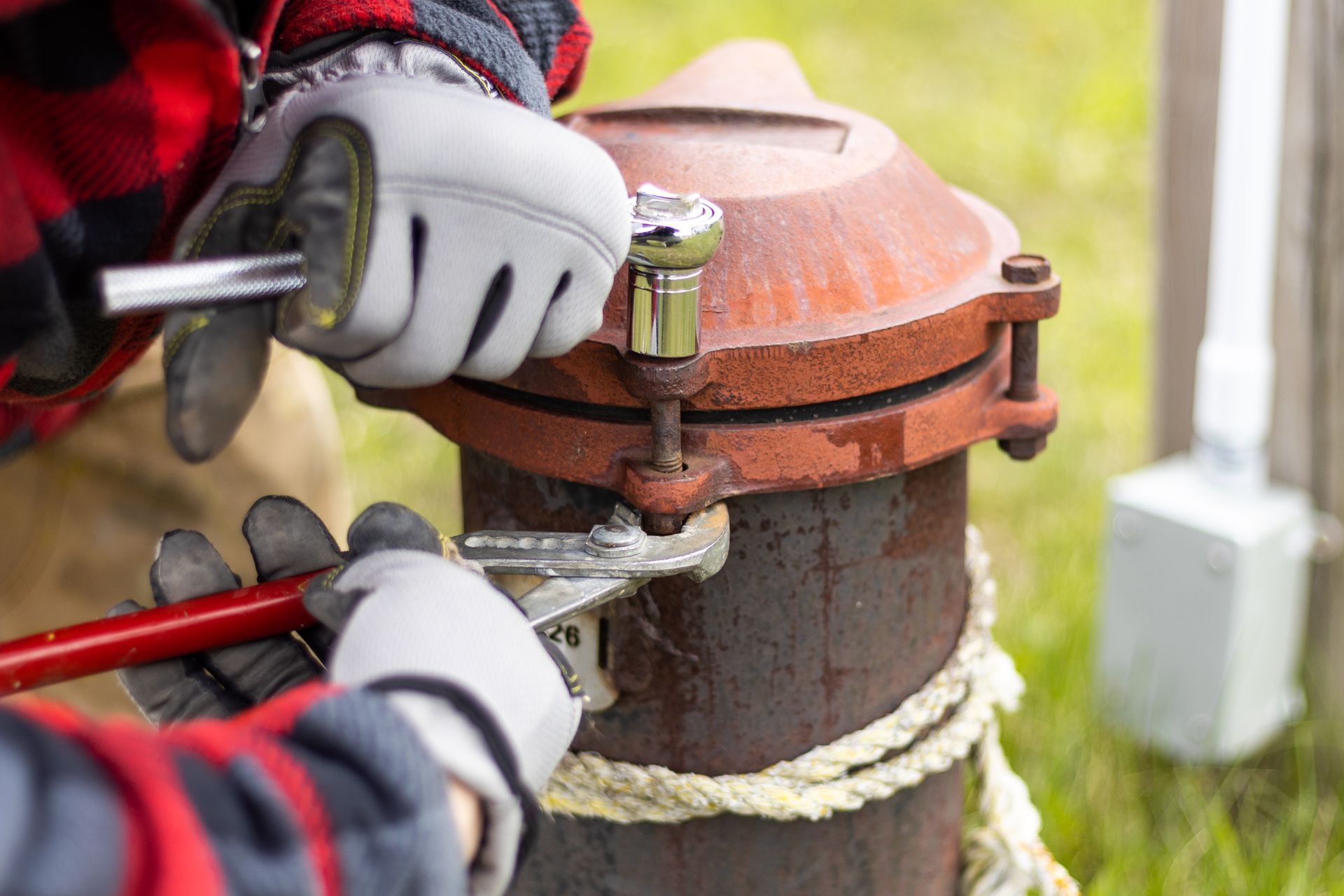
- Request an Anode Rod Check: Ask the technician to physically remove and inspect the magnesium or aluminum anode rod to see if the metal is completely eaten away.
- Plan for Replacements: If the rod is reduced to a bare wire or the tank is showing signs of severe rust, schedule a new installation before an emergency leak occurs.
This proactive approach is something clients notice firsthand when they upgrade their household equipment.
►Client Experience: Dave & Christine Elliott shared “Kelly was easy to deal with while arranging to have the mixing valve replaced on our water heater. He is clearly knowledgeable when it comes to plumbing issues. They arrived when they said they would and did a great job.”
Delivering prompt and knowledgeable service is exactly why Dave & Christine Elliott recommend our installation team.
Stage 3: Protect Your Tank From Sudden Freezes
The final stage involves preparing the physical environment around your water heater to handle dropping temperatures. Proper insulation and environmental control keep the equipment running efficiently during cold snaps.
- Insulate Exposed Pipes: Wrap all bare copper water lines connected to the tank with thick foam insulation sleeves to prevent thermal heat loss.
- Clear the Surroundings: Move stored boxes, clothing, and cleaning supplies away from the unit so it has adequate airflow for safe combustion.
- Test the Relief Valve: Carefully lift the lever on the temperature and pressure relief valve to ensure it discharges water and closes properly, preventing dangerous pressure buildups.
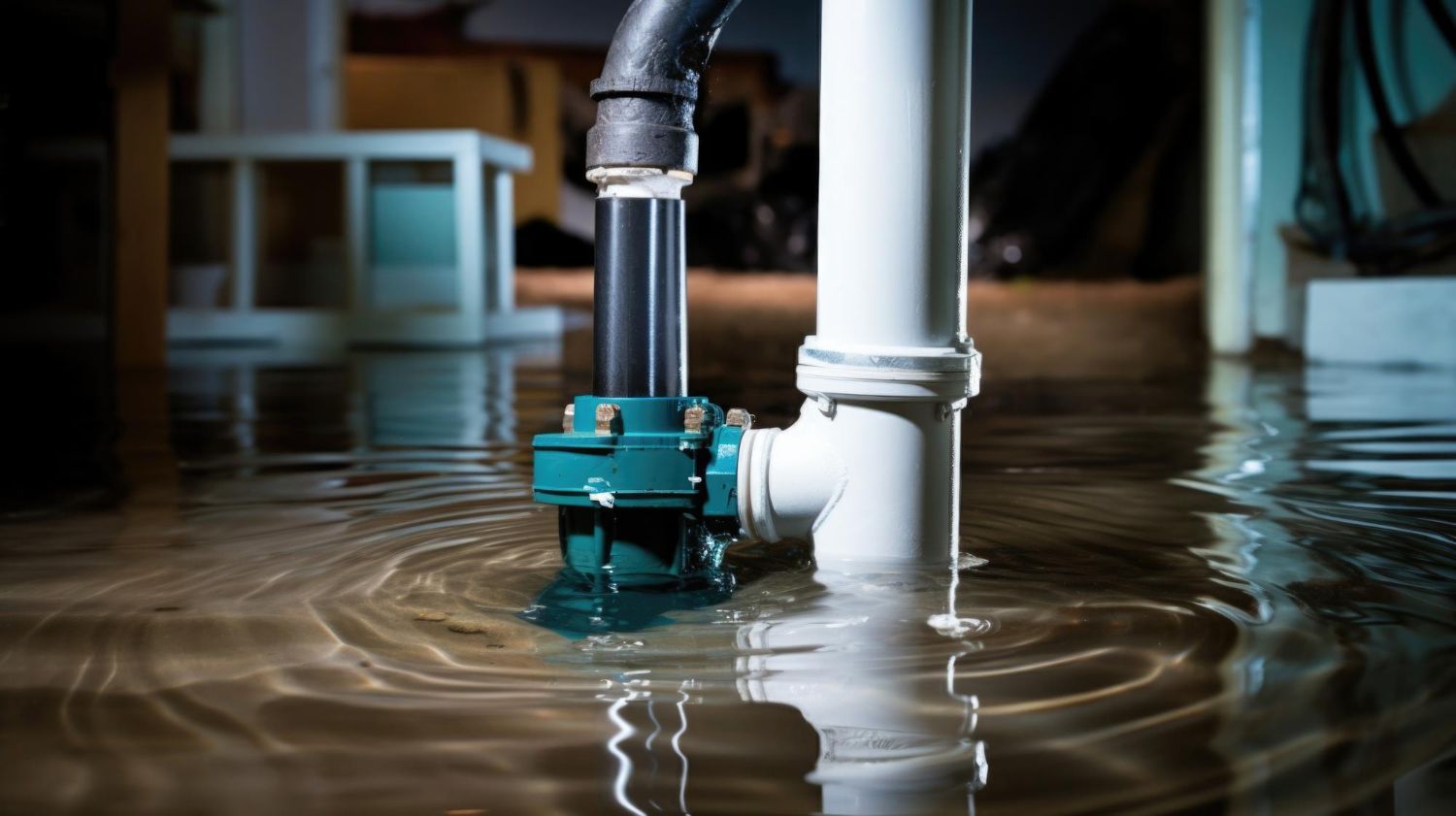
► A fully depleted anode rod will allow the raw steel inside your water heater to rust through and flood your basement within a matter of months.
Frequently Asked Questions
Why do hot water heaters fail more frequently in the winter?
During the winter, the water entering your home from the municipal street lines is significantly colder than it is in the summer. Your heating unit must fire up more often and run for much longer durations to bring that freezing water up to a safe bathing temperature. This constant heavy workload exposes any underlying weaknesses in the heating elements or the steel tank lining.
Can a leaking water tank be repaired instead of replaced?
If the leak is coming from a loose supply pipe fitting or a faulty pressure relief valve, a plumber can easily repair the specific component. However, if the metal tank itself is leaking from the bottom, the structural integrity is compromised and it cannot be patched or welded. A leaking tank bottom always requires a full system replacement to prevent a major flood.
How fast can an electric heater recover?
An electric heating unit typically takes over an hour to fully recover and heat a fresh tank of water after being completely drained by a long shower or a heavy laundry cycle. If your unit is struggling with heavy sediment buildup or a burned out lower element, this recovery time will double, leaving you with lukewarm water during cold mornings.
Finalizing Your Winter Preparations
Shielding your home from the inconvenience of a broken water heater requires checking the internal components before the heavy usage season begins. By assessing your tank and swapping out a depleted anode rod, you secure your home against massive water damage. Call our dispatch desk today to book your tank inspection and face the cold weather with total confidence.
Share This Blog