Fixing Pressure Leaks With Foundation Waterproofing in Durham Region
Call the Plumbing Doctor Inc. • August 5, 2026
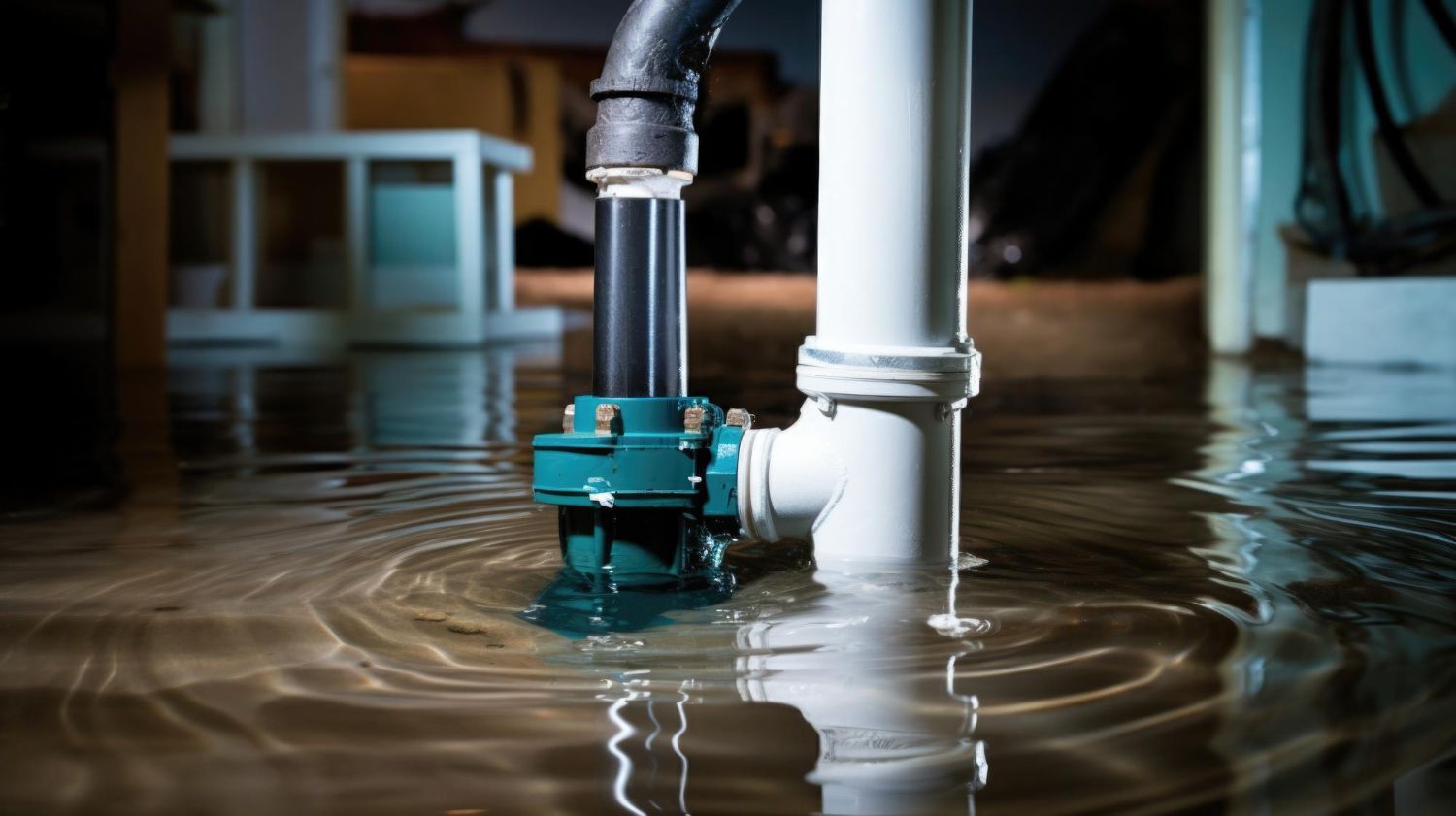
Watching water pool across your basement floor during a heavy rainstorm is a highly stressful experience for any property owner. Many older homes across Clarington were built using block foundations that naturally degrade and become porous over decades of exposure to wet soil. At Call the Plumbing Doctor Inc., we frequently encounter properties where minor dampness has rapidly evolved into significant structural leaks.
Ignoring a wet basement allows moisture to compromise your wooden supports and encourages dangerous mould growth. Applying a coat of waterproof paint over a crumbling wall will never hold back the immense weight of saturated earth. We want to explain the mechanical forces attacking your home and outline the professional solutions required to keep your living space permanently dry.
What We Cover In This Guide
- The Hidden Dangers of Saturated Soil
- How does hydrostatic pressure cause foundation walls to crack?
- The Risks of Do It Yourself Sealing Attempts
- Securing Your Property Long Term
The Hidden Dangers of Saturated Soil
The dirt surrounding your home acts like a massive sponge during the wet spring and autumn months. When the weeping tile system fails or clogs with mud, that excess water has nowhere to drain away from the house. The resulting heavy mud presses directly against your concrete walls day and night.
→ From a professional standpoint: The constant expansion and contraction of wet soil physically degrades mortar joints and allows groundwater to push through the weakest points of your basement.
How does hydrostatic pressure cause foundation walls to crack?
Hydrostatic pressure occurs when standing water in the soil exerts massive inward force against a rigid structure. Concrete is exceptionally strong when supporting downward weight but is highly vulnerable to lateral pressure pushing in from the sides. As the water volume increases after a heavy rainstorm, the hydrostatic pressure literally bends the concrete wall inward until it snaps and forms a horizontal crack. Securing professional foundation waterproofing Durham Region residents trust relieves this pressure by redirecting the trapped water away through a functional weeping tile system.
This is something clients notice firsthand when evaluating the longevity of their property repairs.
►Client Experience: Hermits Grotto shared "I sold the house the repair was done on correct and still dry. Thank you foundation doctor. Pleased as punch."
Proving that correct methods hold up over time is exactly why we stand strongly behind our foundation repairs and crack injections.
The Risks of Do It Yourself Sealing Attempts
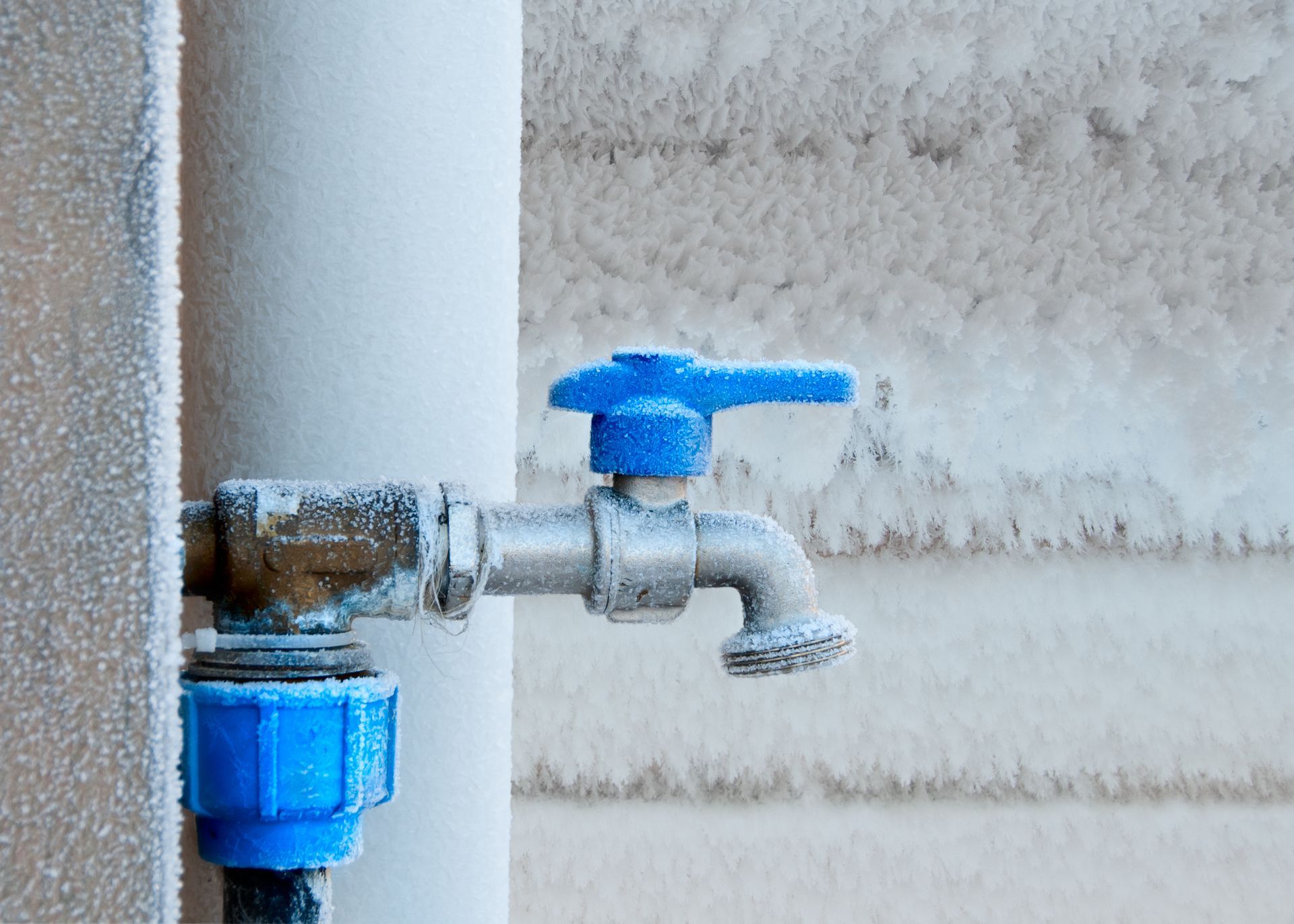
Homeowners often try to save money by purchasing retail hydraulic cement or thick rubberized paints to patch active leaks from the inside. These products trap the water inside the concrete block, which accelerates the decay of the structural rebar hidden inside the wall. When the trapped water freezes during the winter, the expanding ice shatters the retail patch and creates an even larger hole.
→ A quick tip to remember: True leak prevention requires excavating the exterior wall to apply a flexible membrane that stops the water before it ever touches the bare concrete.
Securing Your Property Long Term
Protecting your home from groundwater intrusion requires treating the source of the pressure rather than just hiding the symptoms. Excavating the exterior and repairing the drainage system guarantees that your basement will remain dry through the heaviest storms. Contact our team today to schedule an inspection and protect your property from hidden water damage.
Share This Blog