Protect Your Home: Understanding and Installing Sump Pumps
Call the Plumbing Doctor Inc. • January 4, 2025
Protect Your Home: Understanding and Installing Sump Pumps
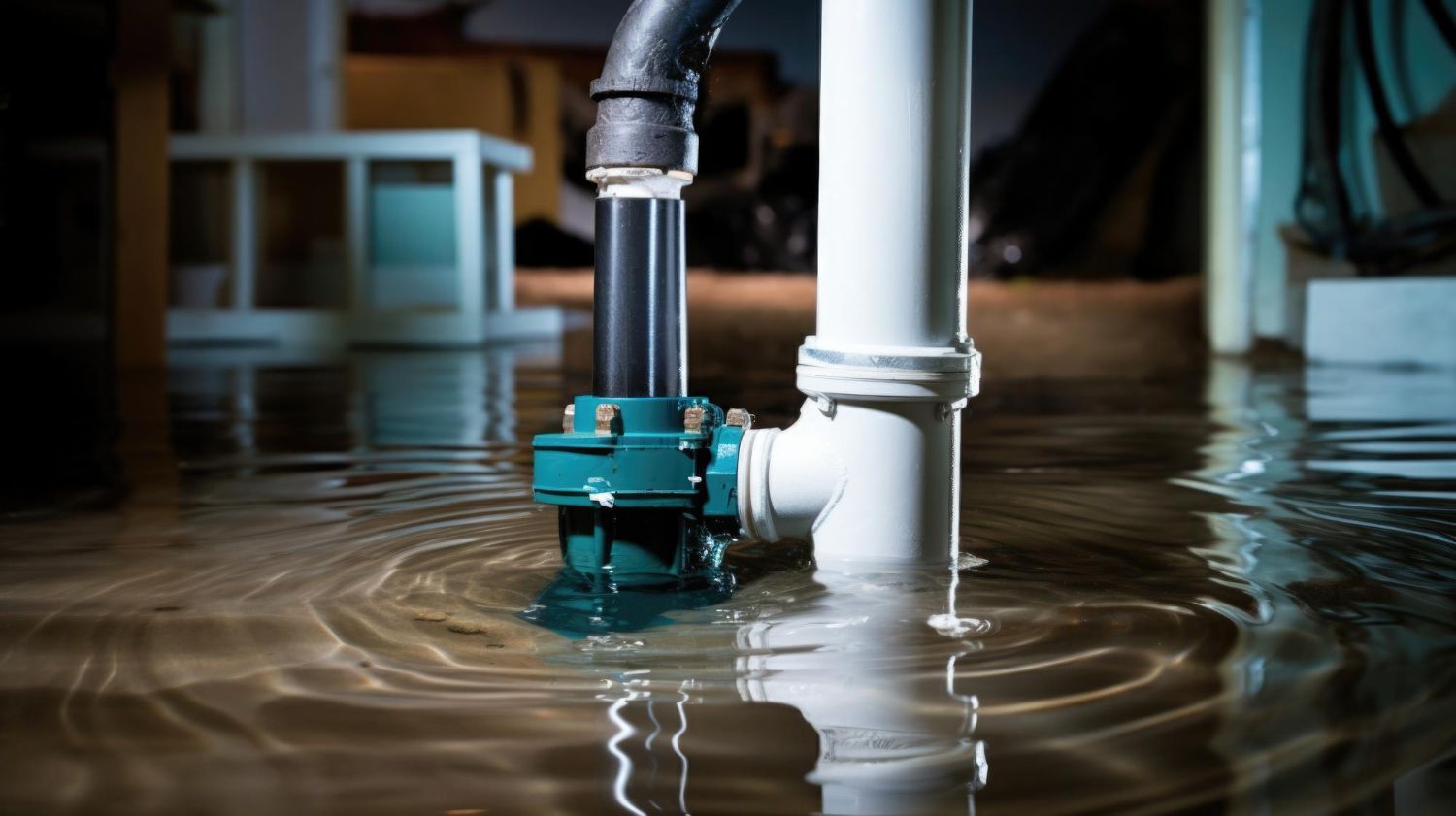
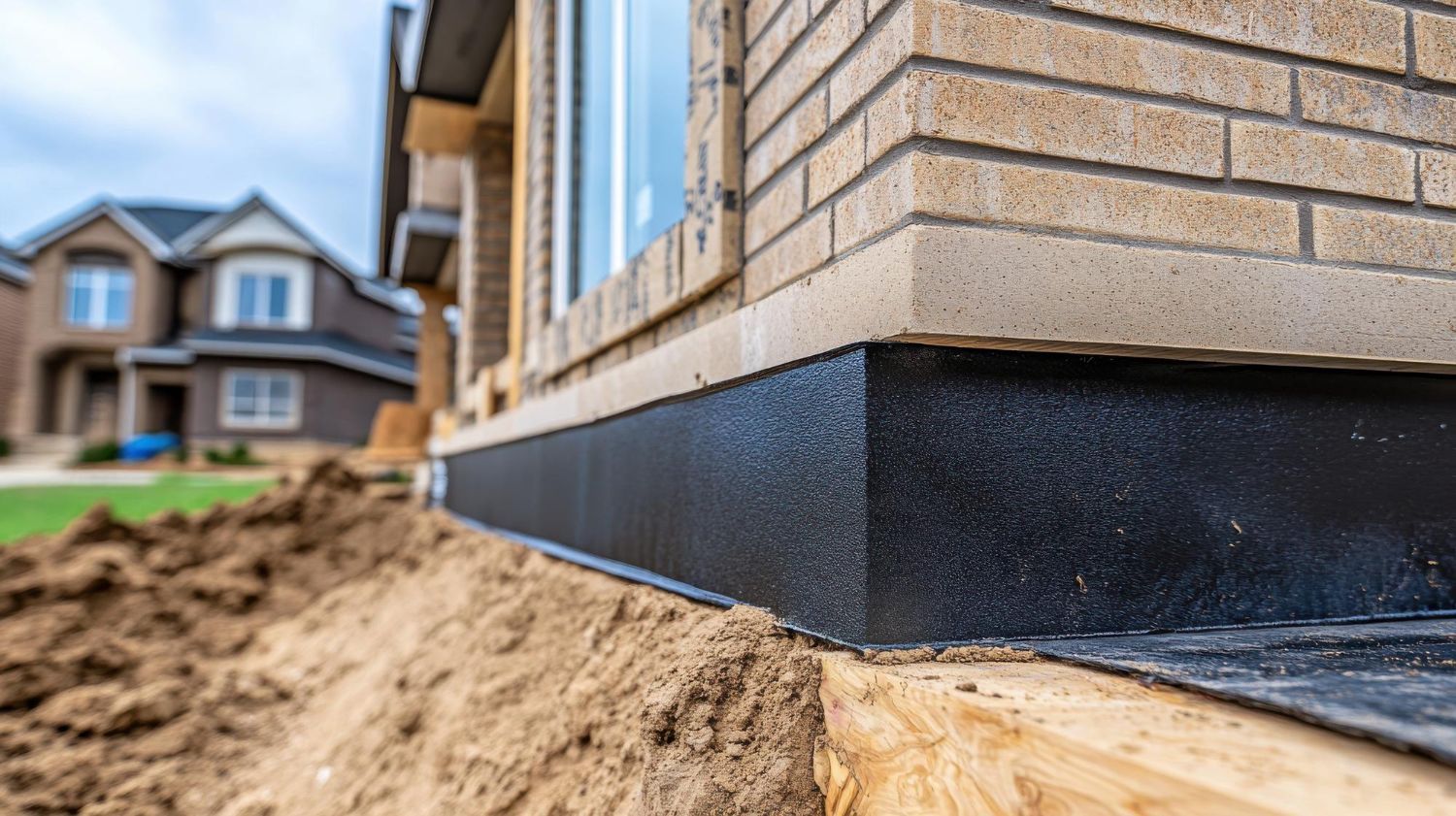
When it rains a lot or snow starts to melt, have you noticed how the ground gets really wet and sometimes water even starts to pool up? Well, if too much water collects around or under your house, it can lead to big problems, like making your basement wet or even flooding it. This is where a sump pump comes into play. It's like a superhero for your basement, fighting against water and keeping your home dry and safe.
What Is a Sump Pump?
Imagine you have a friend who is really good at quickly cleaning up messes before they get worse. A sump pump is kind of like that friend, but for water in your basement. It is a pump placed in the lowest part of your basement or crawlspace in a special hole called a sump pit. When water starts to fill this pit, the sump pump kicks into action, pumping the water out and away from your home to a place where it won't cause any trouble.
Why Your Home Might Need a Sump Pump
Not all homes need a sump pump, but many do, especially if they are in areas where it rains a lot or where the water table (the level below the ground that is saturated with water) is high. Here are a few reasons your home might need one:
1. If your basement keeps getting wet or even floods when it rains.
2. If your home is on a slope and water tends to gather around or under your house.
3. If your basement is below the water table level.
Types of Sump Pumps
There are two main types of sump pumps pedestal and submersible.
Pedestal Pump: This pump sits above the sump pit. It's easier to service because it's not under water, but it can be a bit noisier and takes up some space in the basement.
Submersible Pump: This one is placed inside the sump pit and is covered with water. It's quieter and saves space, but it might need more maintenance because it works harder.
How to Choose the Right Sump Pump
Choosing the right sump pump depends on a few things like how much water you need to move and how often your basement gets wet. Here are some tips:
1. Consider the horsepower. More horsepower means the pump can move more water, but it also uses more energy.
2. Think about the type. If noise and space are big concerns for you, a submersible pump might be the way to go.
3. Look for a pump with a battery backup. This means it will keep working even if the power goes out during a big storm.
Installing a Sump Pump
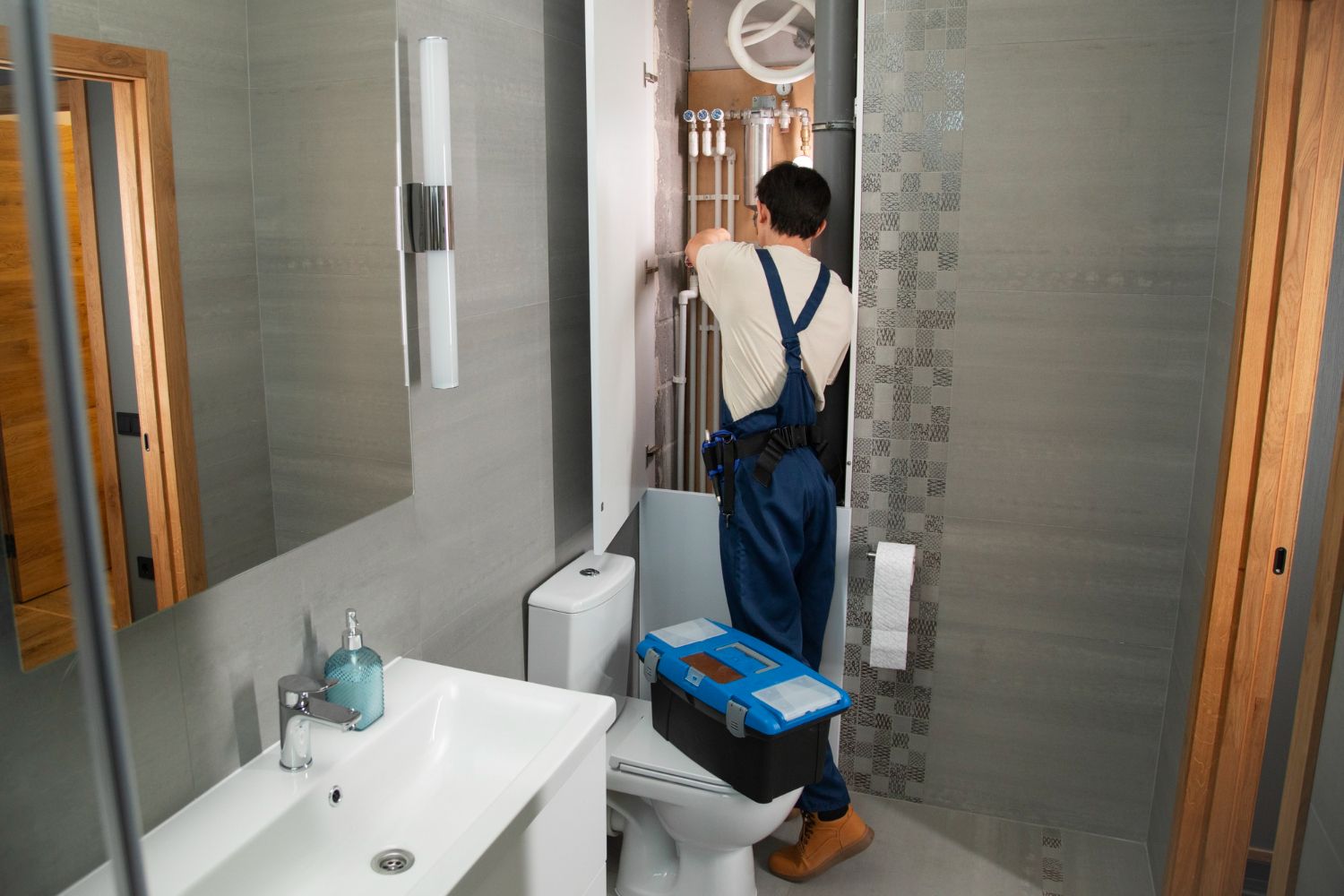
Installing a sump pump is a big job and it's really important to do it right to make sure your basement stays dry. It involves digging a hole for the sump pit, placing the pump, connecting it to a drainage system, and making sure everything works properly. Because it's a bit complicated and you want to make sure it's done perfectly, it's a good idea to talk to a professional like us, Call The Plumbing Doctor.
Keeping Your Sump Pump Happy
Once you have a sump pump, you need to take care of it so it can keep taking care of your home. This means checking it regularly to make sure it's not clogged with dirt or debris, testing it by pouring water into the sump pit to see if it activates, and making sure the battery backup (if you have one) is charged.
Ready to Keep Your Basement Dry?
A sump pump is a fantastic way to protect your home from water damage by keeping your basement or crawlspace dry. If you're considering getting one installed or if you just want to make sure your current sump pump is in tip-top shape, give us a call at Call The Plumbing Doctor. Our friendly, experienced team is here to help with all your sump pump needs, from choosing the right model to installation and maintenance. Don't let water put a damper on your home – let us help you keep it dry and cozy. Call us today.
Share This Blog