Essential Plumbing Tips for Business Owners: The Importance of Backflow Preventers
Call the Plumbing Doctor Inc. • September 5, 2024
Essential Plumbing Tips for Business Owners: The Importance of Backflow Preventers
Running a business comes with a bunch of responsibilities. Among these, making sure your place is safe and running smoothly is super important. One thing you might not think about but really should is your plumbing system, especially something called a backflow preventer. Let's dive into why this is a big deal and how it helps keep everyone safe and healthy.
What is Backflow and Why Should You Care?
Imagine you're drinking from a straw in a glass of your favorite juice. Now, imagine if somehow, the juice started moving back up the straw and into a dirty puddle on the table. You wouldn't want to drink from that straw anymore, right? That's sort of what backflow is but for your building's water system.
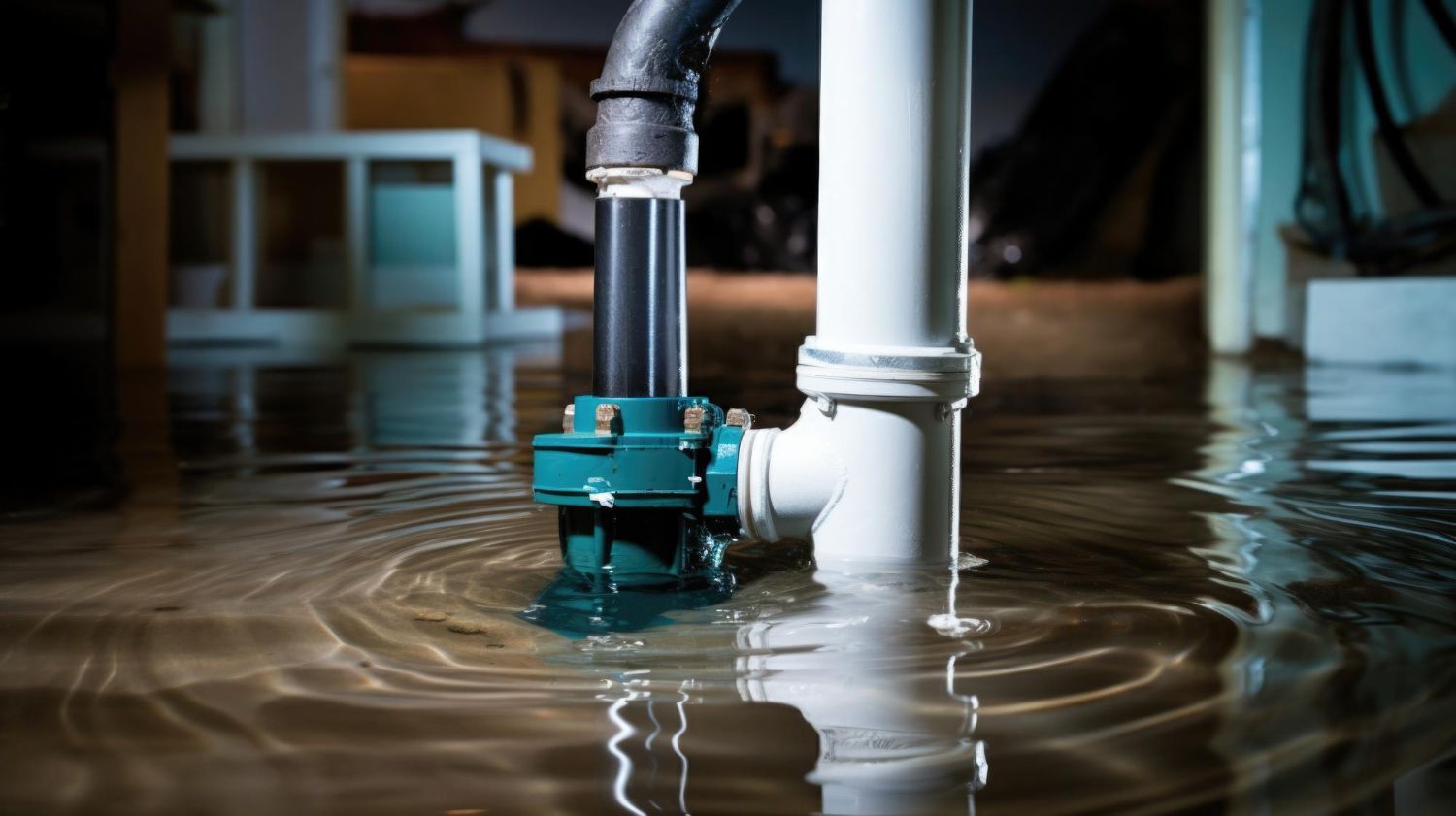
Backflow happens when dirty water goes the wrong way through the pipes and mixes with the clean drinking water. This can happen for a couple of reasons like a sudden drop in water pressure or because of something called backpressure. It's a big deal because it can make people really sick. That's where backflow preventers come in.
The Superheroes of Plumbing: Backflow Preventers
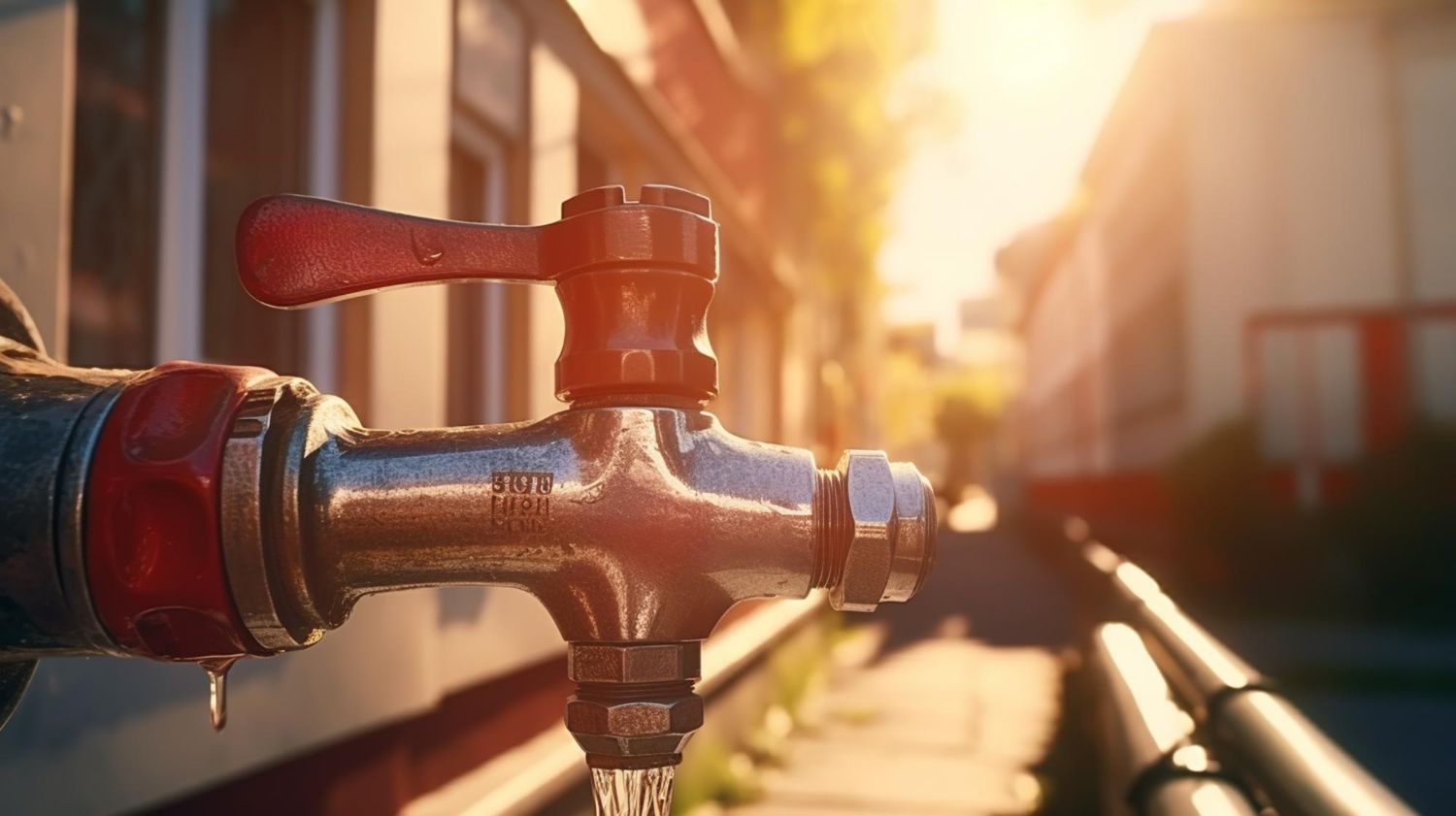
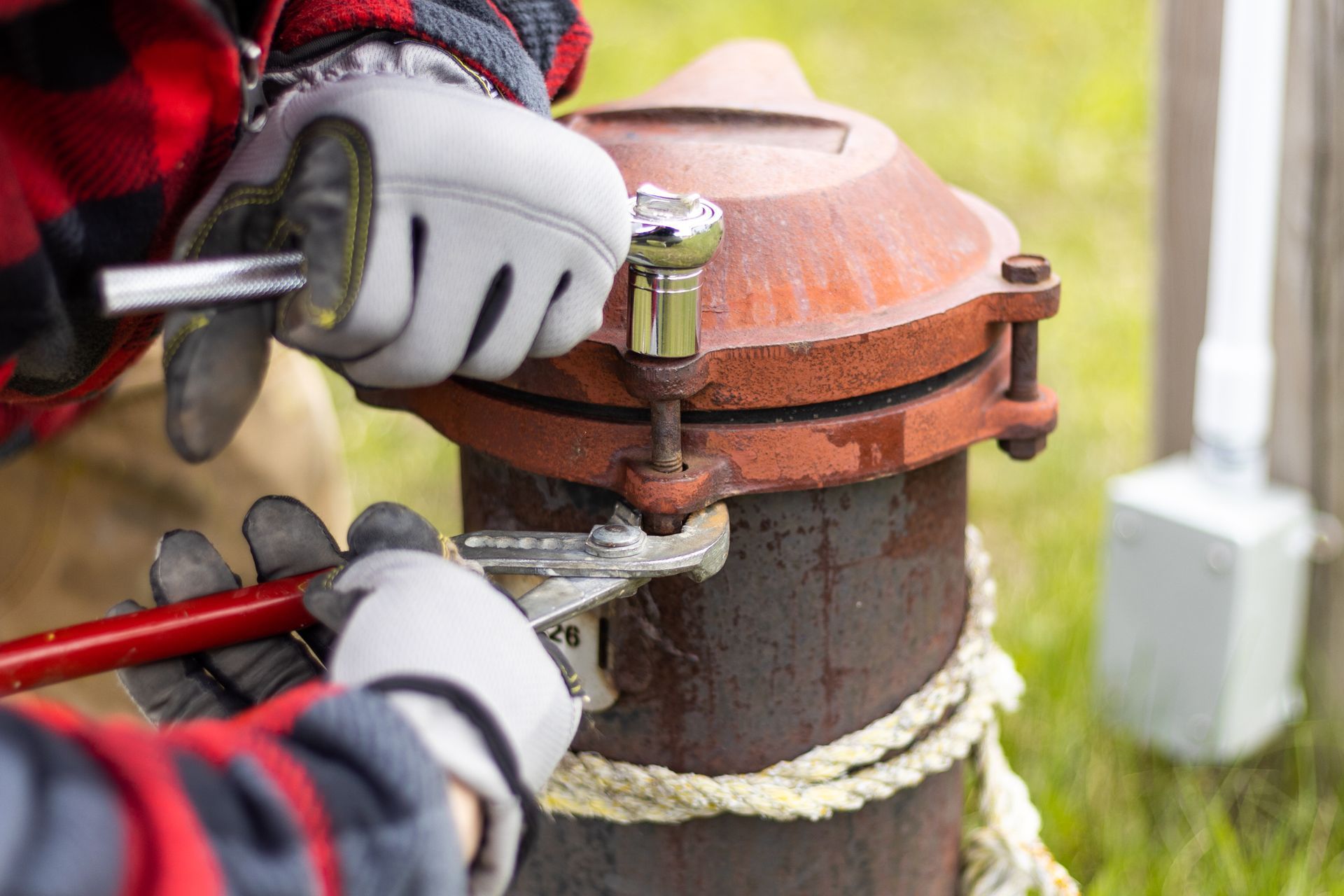
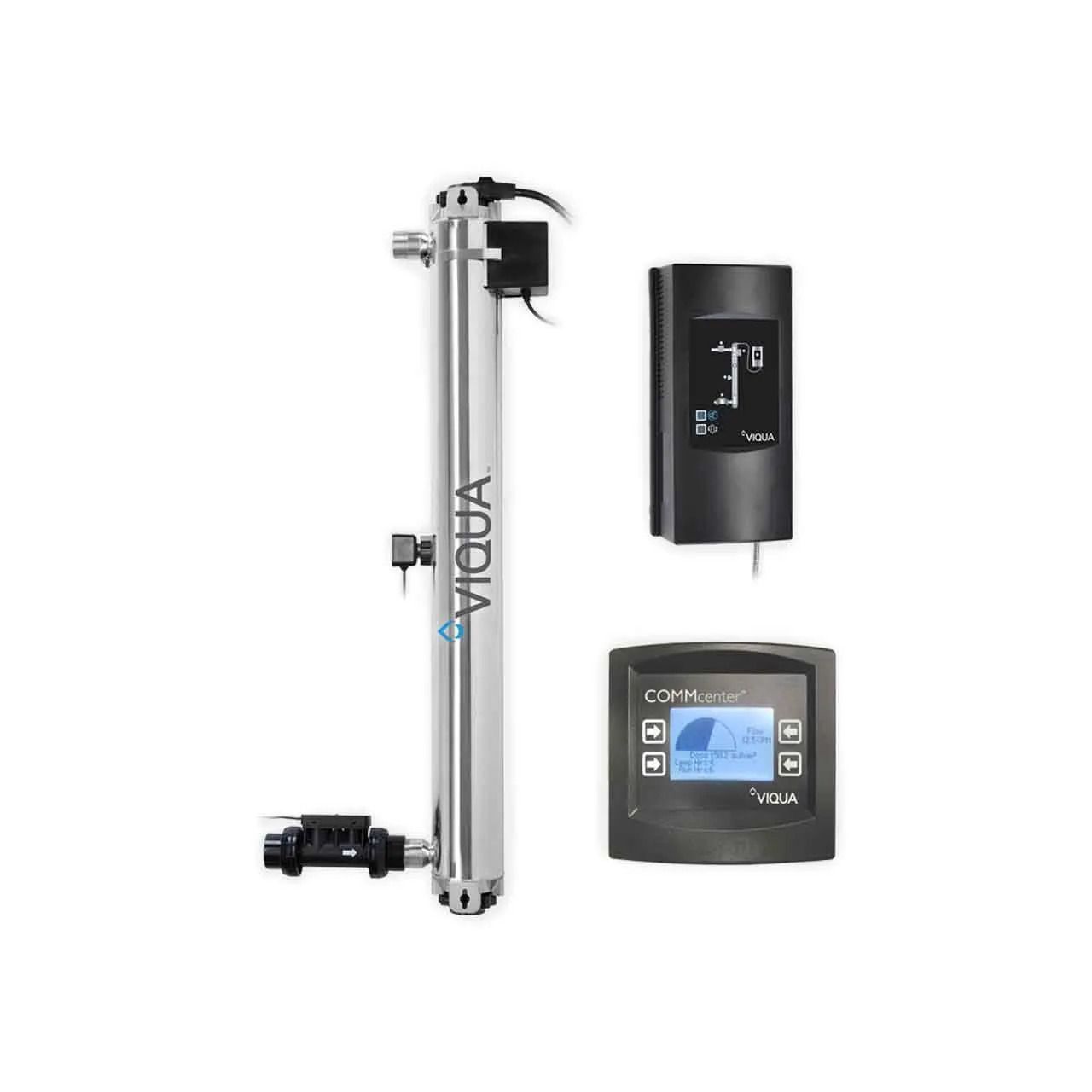
Backflow preventers are like superheroes for your plumbing system. They have one job – to stop dirty water from going back into your clean water. These devices are installed in your plumbing system and they jump into action if they sense the water trying to go the wrong way.
Just like superheroes, there are different kinds of backflow preventers for different situations. Some are for simple setups and others for more complicated systems. The important thing is, they all help protect your water from getting contaminated.
Why Business Owners Should Pay Attention
If you run a business, especially one where people eat or drink, having clean water is super important. Not only is it a health thing, but it's also the law. Health codes and regulations say you have to make sure your water is safe. If you don't follow these rules, you could get in big trouble like having to pay fines or even having your business closed down until things are fixed.
Plus, think about it. If your customers get sick because your water is bad, they're not going to be happy. They might not come back and they might tell other people not to go to your place. That's really bad for business.
How to Keep Your Business Safe and Compliant
The good news is that keeping your business safe and following the laws isn't super hard. Here's what you need to do:
1. Check with the local authorities about the rules for backflow prevention in your area. Laws can be different depending on where you are.
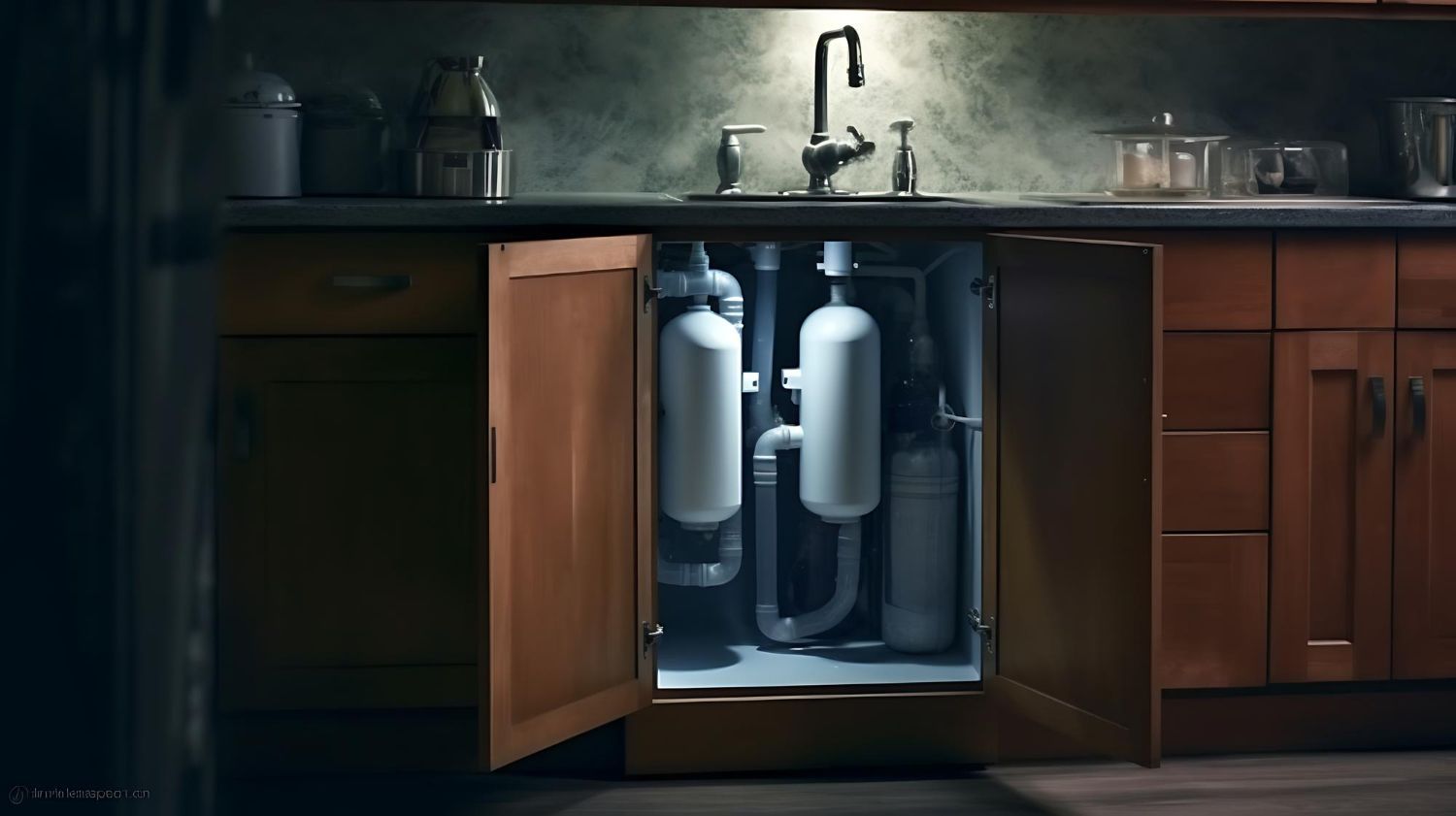
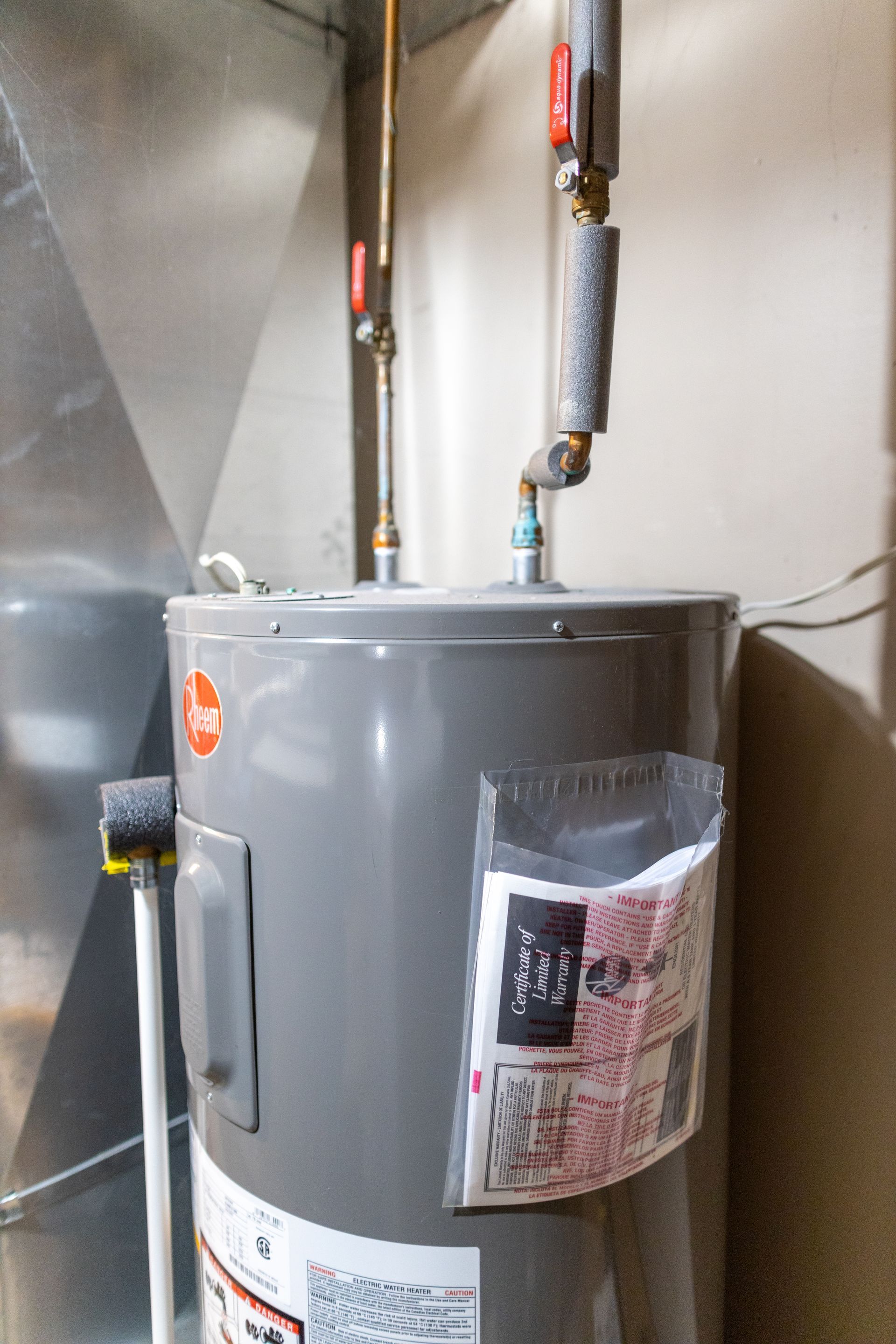
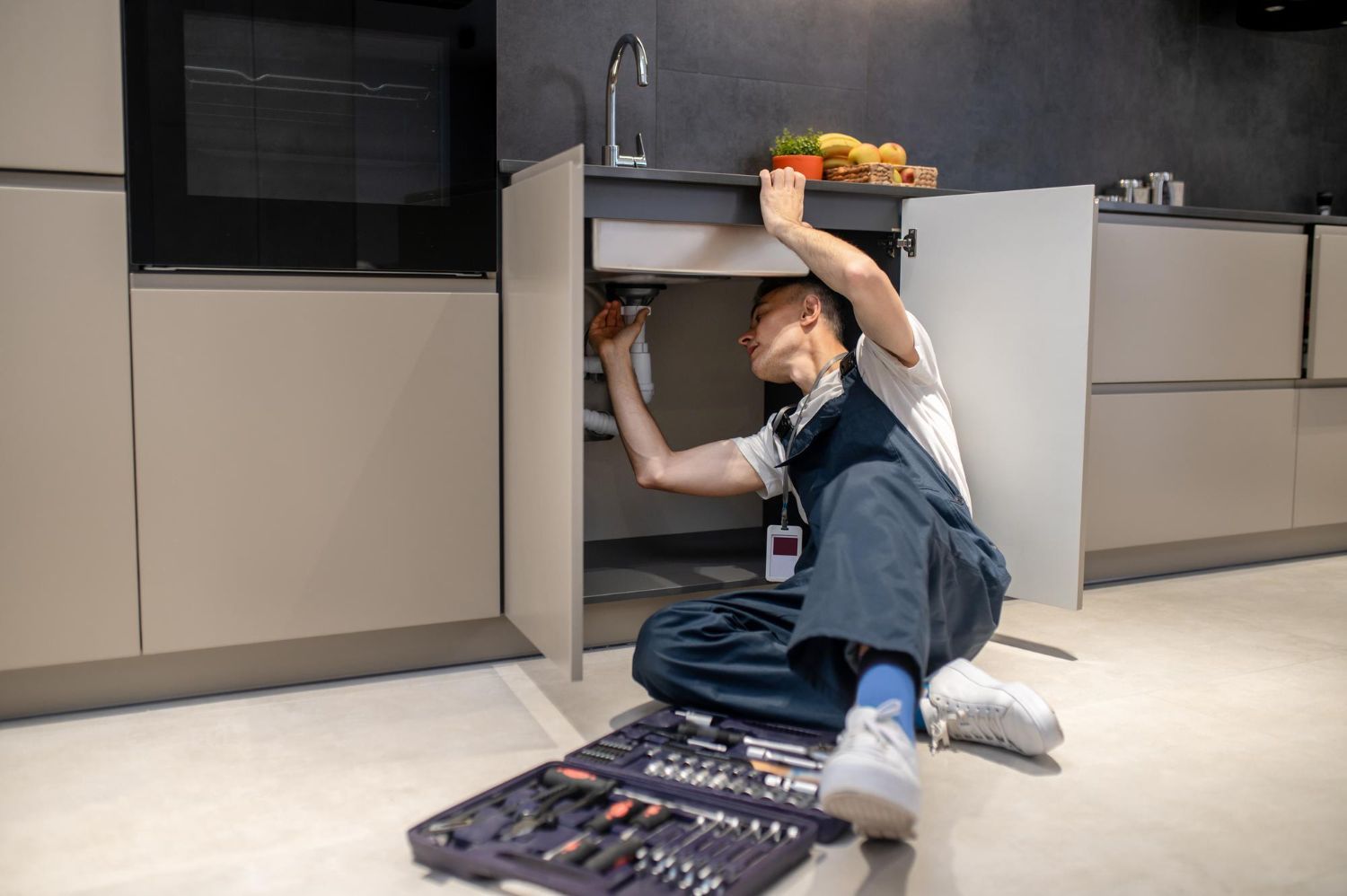
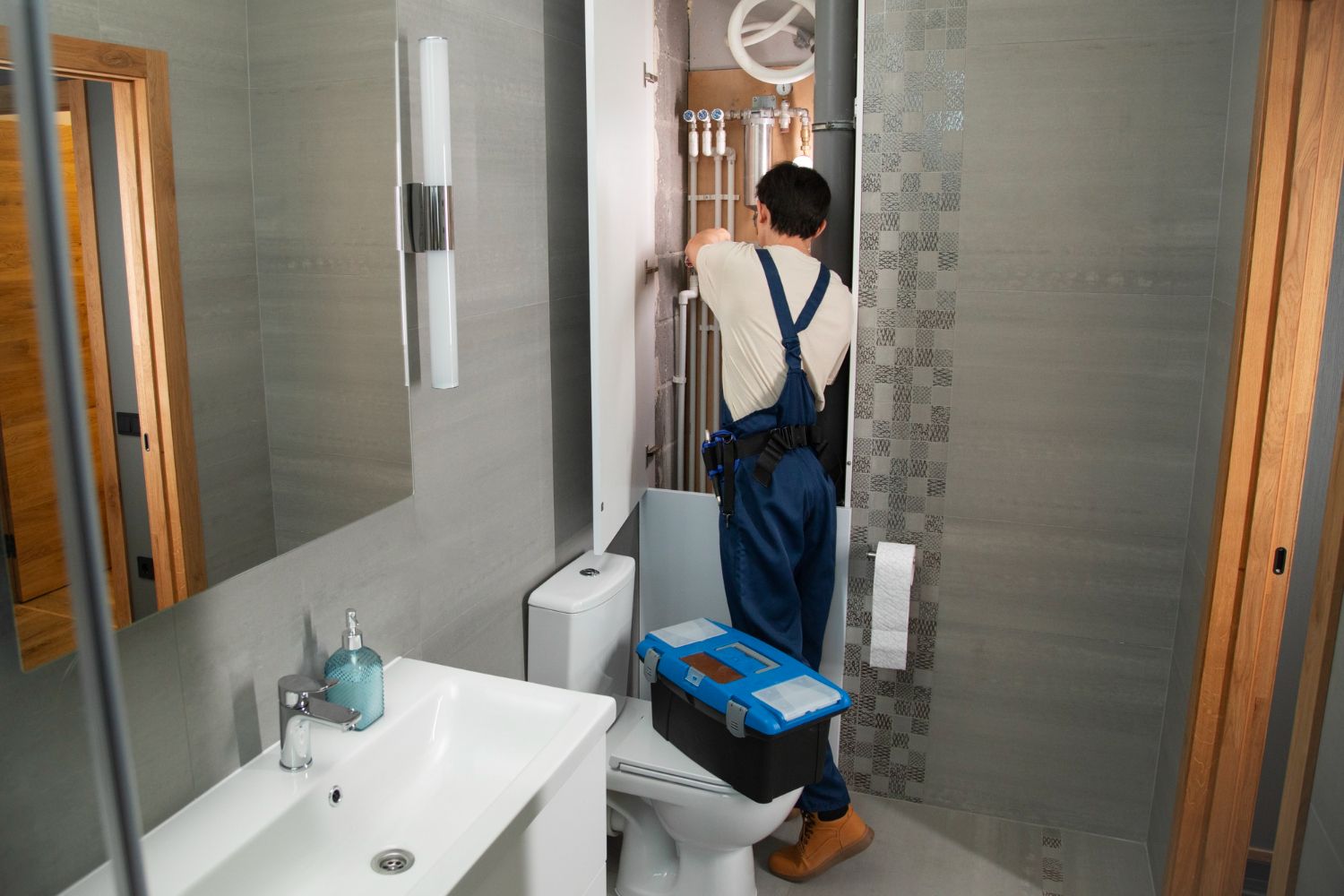
2. Get a professional plumber to check your plumbing system. They can tell you if you need a backflow preventer and what kind.
3. Have the backflow preventer installed properly. This isn't a DIY job; you need someone who knows what they're doing.
4. Test your backflow preventer regularly. Just like you'd check a smoke detector to make sure it's working, you need to check your backflow preventer too.
Let's Keep Your Business Safe and Healthy Together!
If you're feeling a bit overwhelmed or not sure where to start, don't worry. That's what we're here for. At Call The Plumbing Doctor, we're experts at making sure your plumbing system is up to code and your water is safe to drink. We can help you figure out what you need, install it for you, and even come back to test it and make sure everything is still awesome.
Your business is important to you, and keeping it safe and healthy is important to us. Give us a call and let's talk about how we can help. Remember, a little prevention now can save a lot of trouble later. Let's work together to keep your business flowing smoothly!
Share This Blog